Schwartz Mansion
Collaboration
ASlight Studio, Vasiliki Malakasi
Client
Larissa Ephorate of Antiquities
Location
Larissa, Greece
Year
2023
Awarded
Winner Prize for Heritage Lighting Design category at the LIT Awards 2024
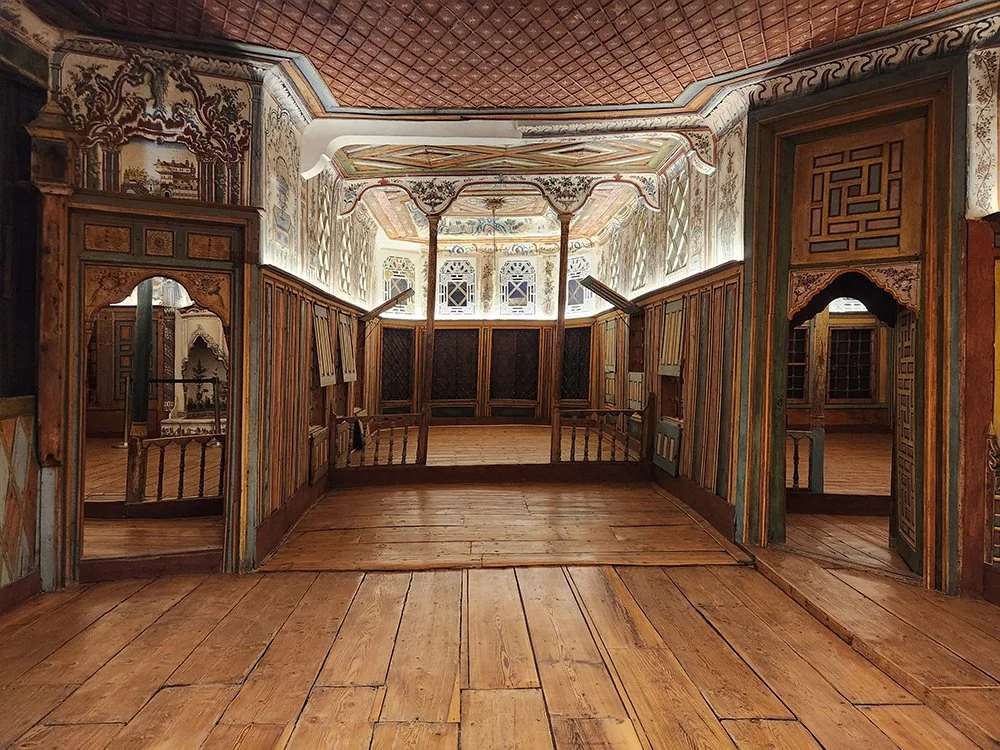
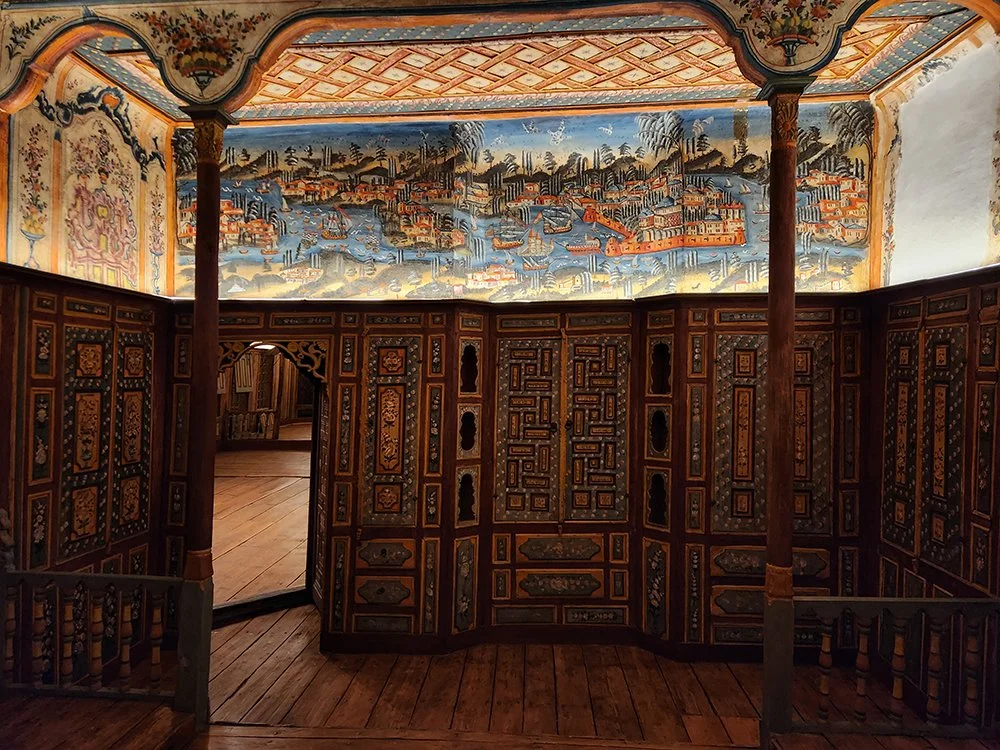
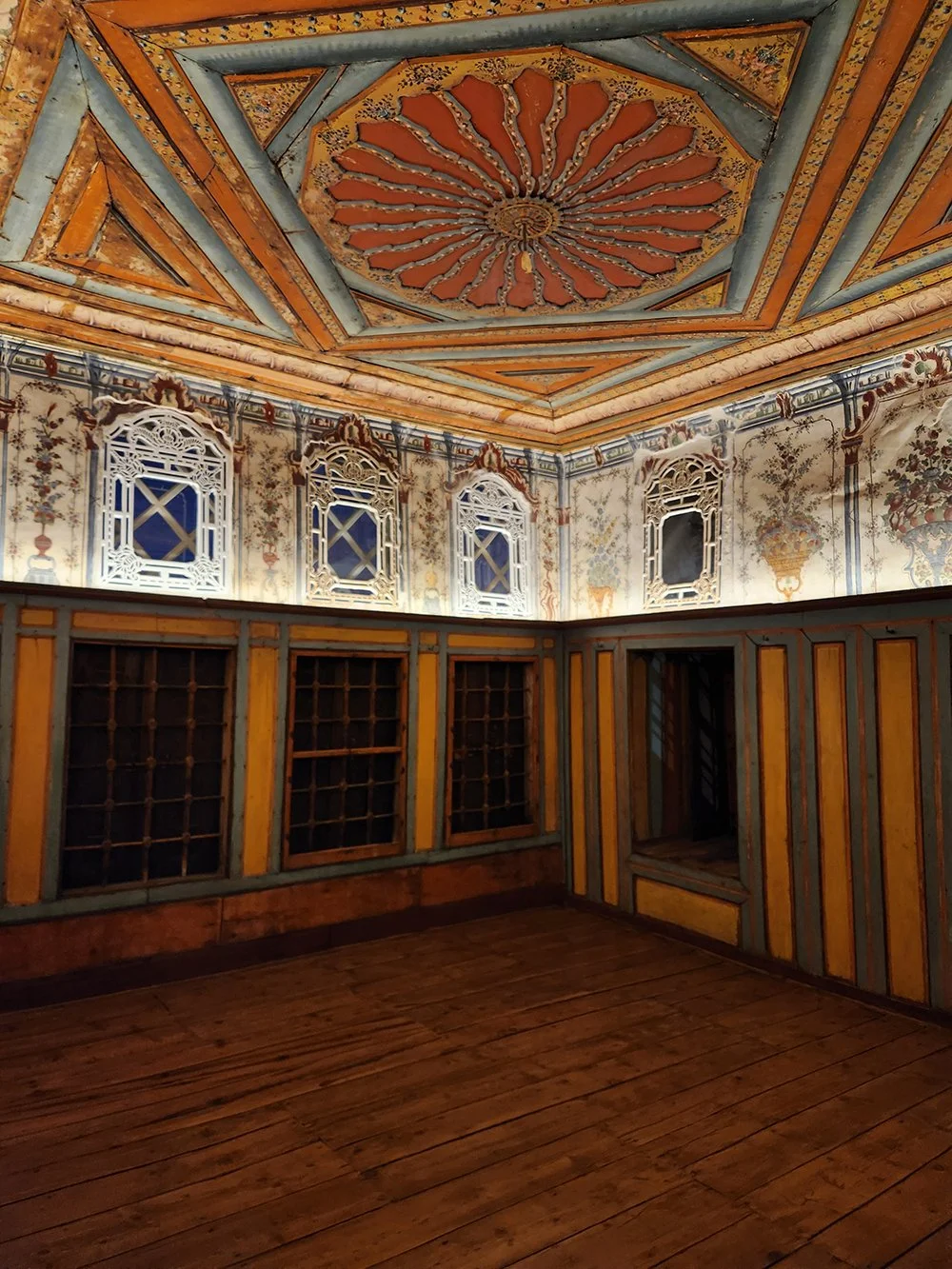
Built in 1787 for Georgios Schwartz, the Schwartz Mansion in Ampelakia stands as a rare example of 18th-century Greek architecture — a five-story residence of cultural and artistic significance. Now operating as a museum, it invites visitors to step into a carefully restored environment where light plays a crucial role in evoking the atmosphere of the period while preserving the delicate integrity of its heritage.
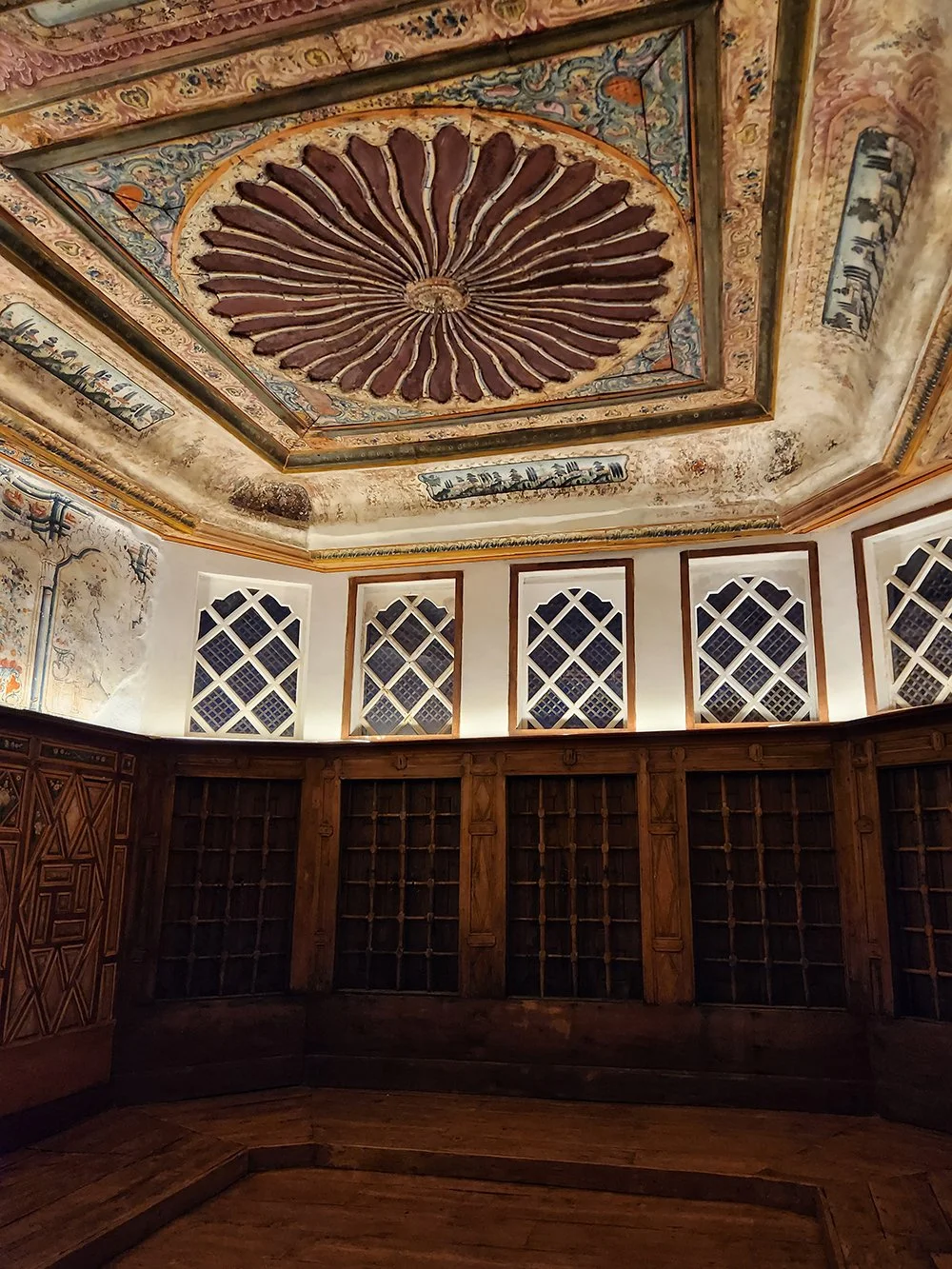
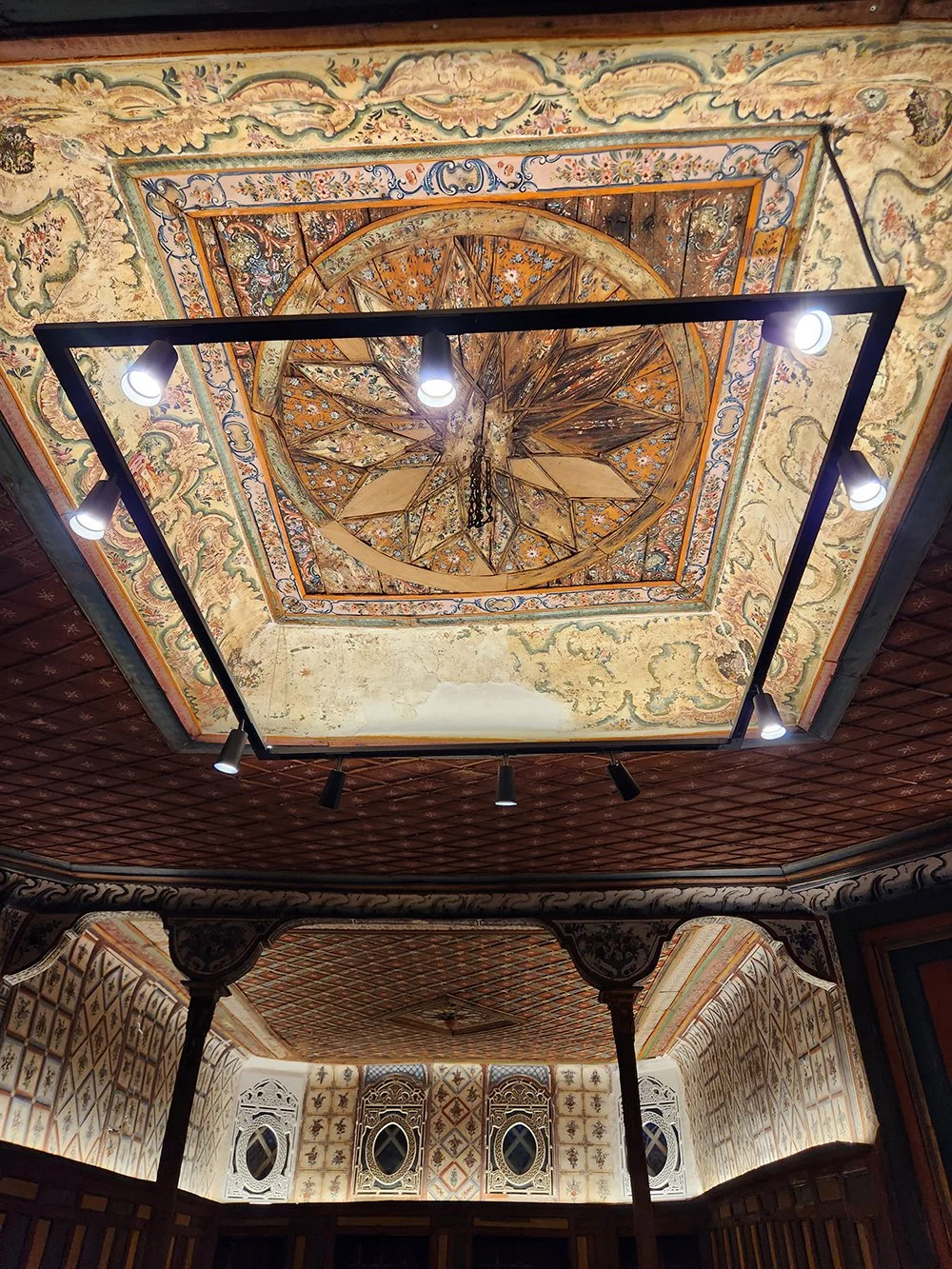
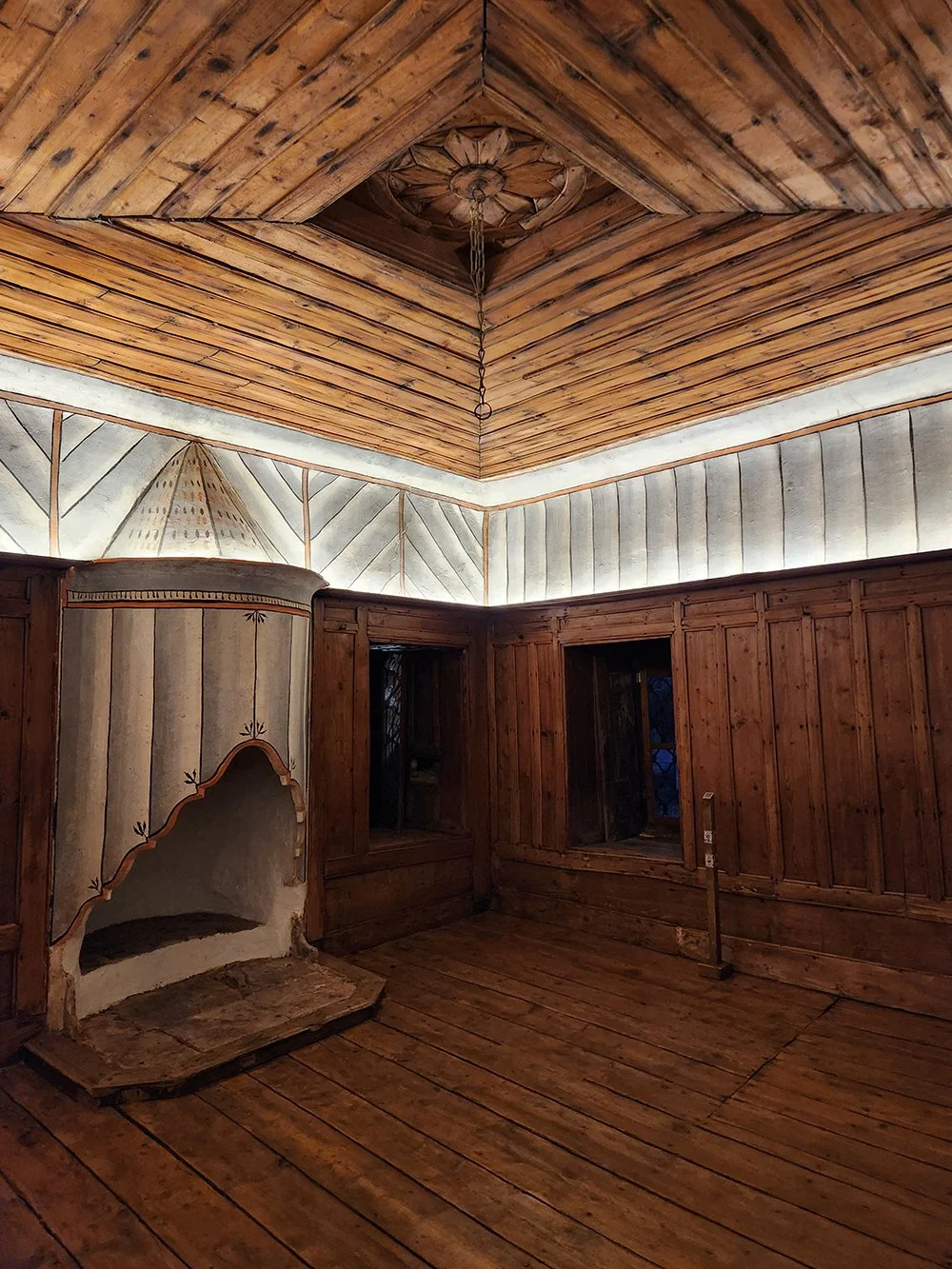
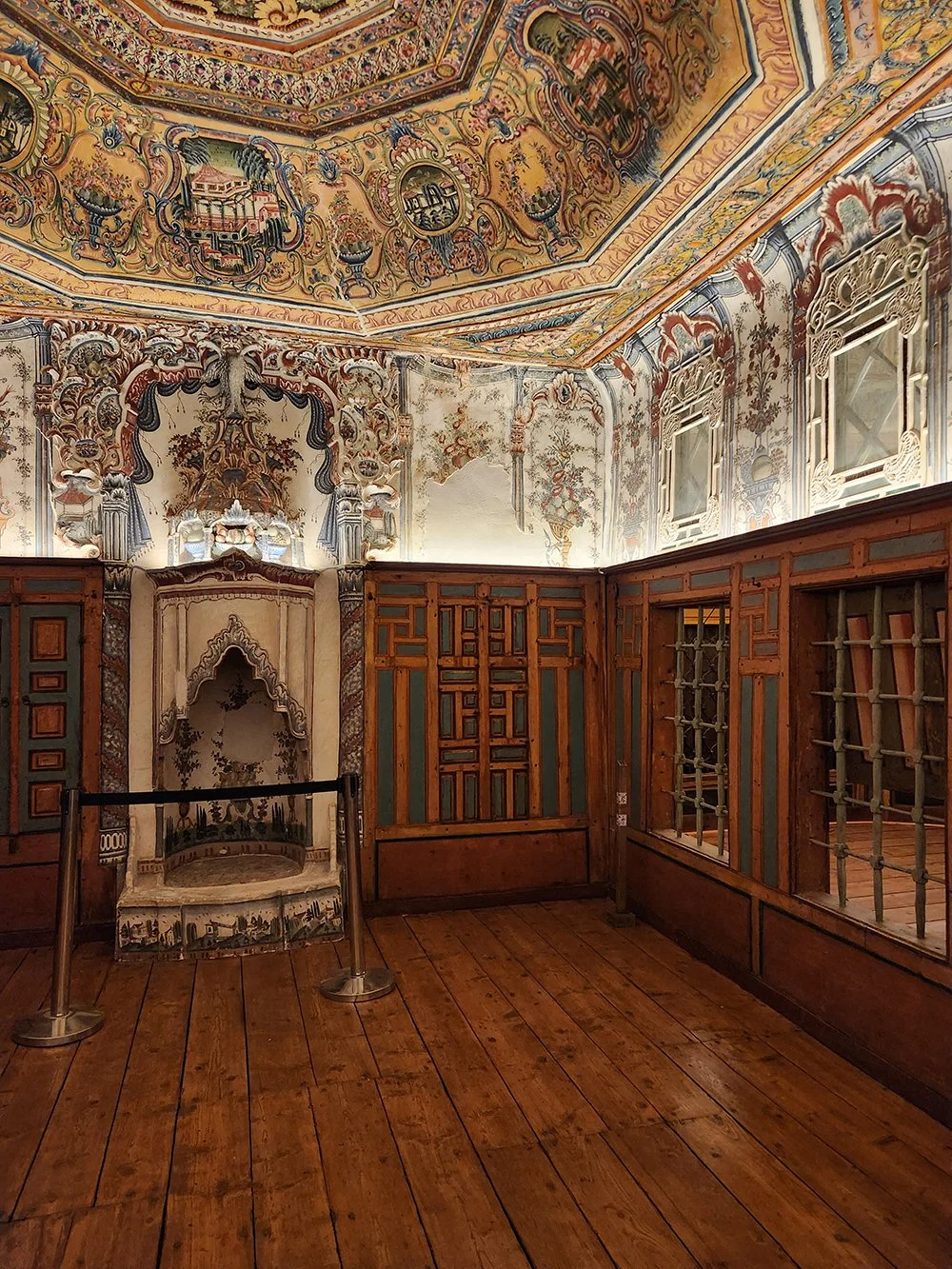
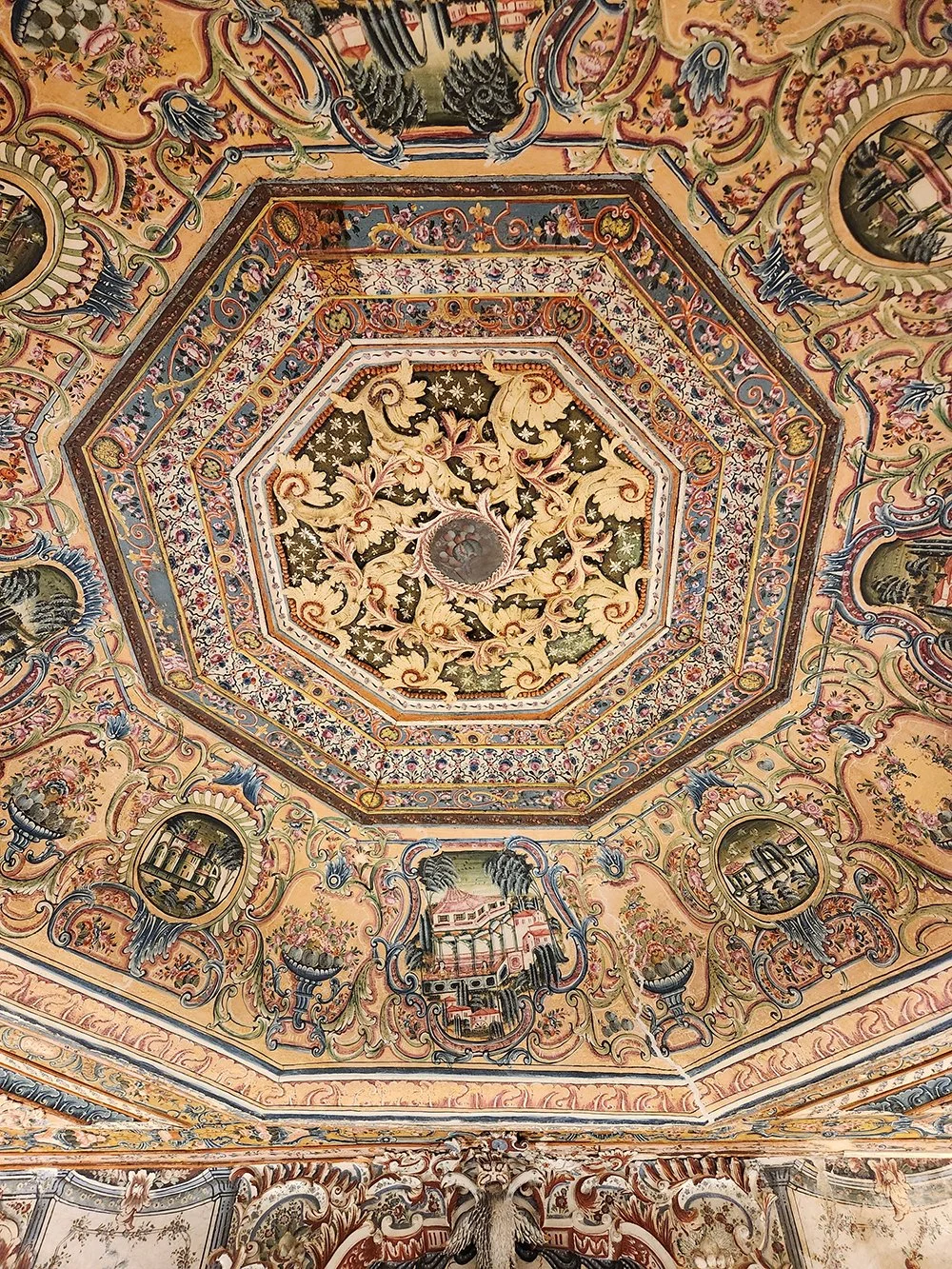
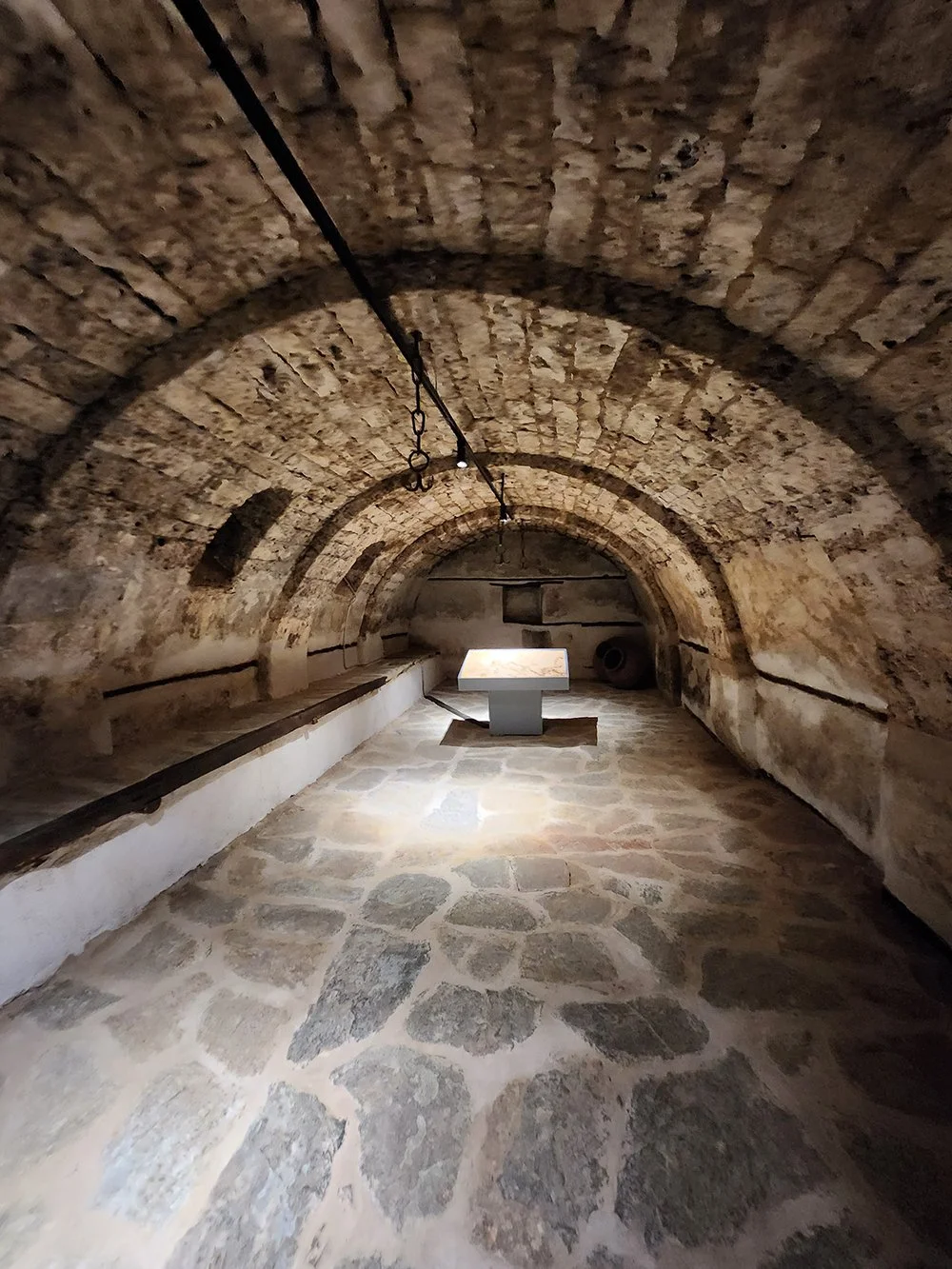
The lighting design for the mansion’s restoration was guided by two central aims: to reveal the architectural and artistic richness of the interiors, particularly the intricate ceiling frescoes, and to ensure their long-term conservation. A hierarchical scheme was developed to balance light levels between exhibits, decorative features, and circulation areas, maintaining visual harmony and compositional depth.
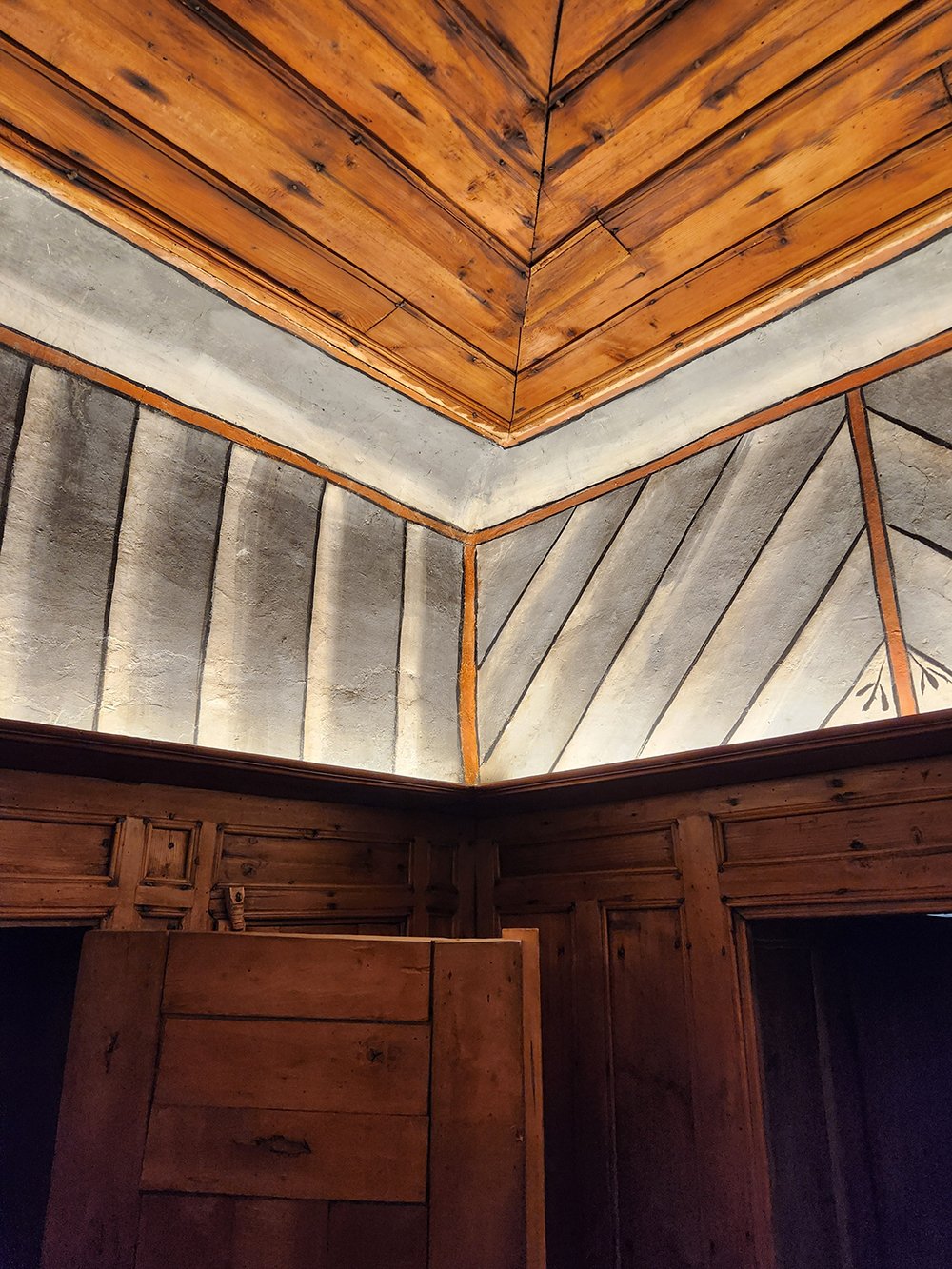
Advanced UV- and IR-free LED technology was employed to prevent photolytic degradation of sensitive surfaces. Specially lensed, targeted optics bring out the nuanced colors and textures of the frescoes, while integrated linear systems provide indirect, uniform illumination that avoids shadowing and glare. Complementary suspended track systems with adjustable spotlights offer flexibility, ensuring that each space maintains both clarity and ambience.
The lighting strategy aligns with the Larissa Ephorate of Antiquities and European conservation standards, achieving precise control of light levels and high color rendering to respect the authenticity of materials and finishes.
From concept to implementation, the project embodies a sustainable and museological approach — combining low-energy equipment, intelligent control systems, and sensitivity to the building’s historical narrative. Light becomes both guardian and storyteller: preserving, revealing, and reanimating the mansion’s cultural legacy through a carefully balanced play of illumination and restraint.